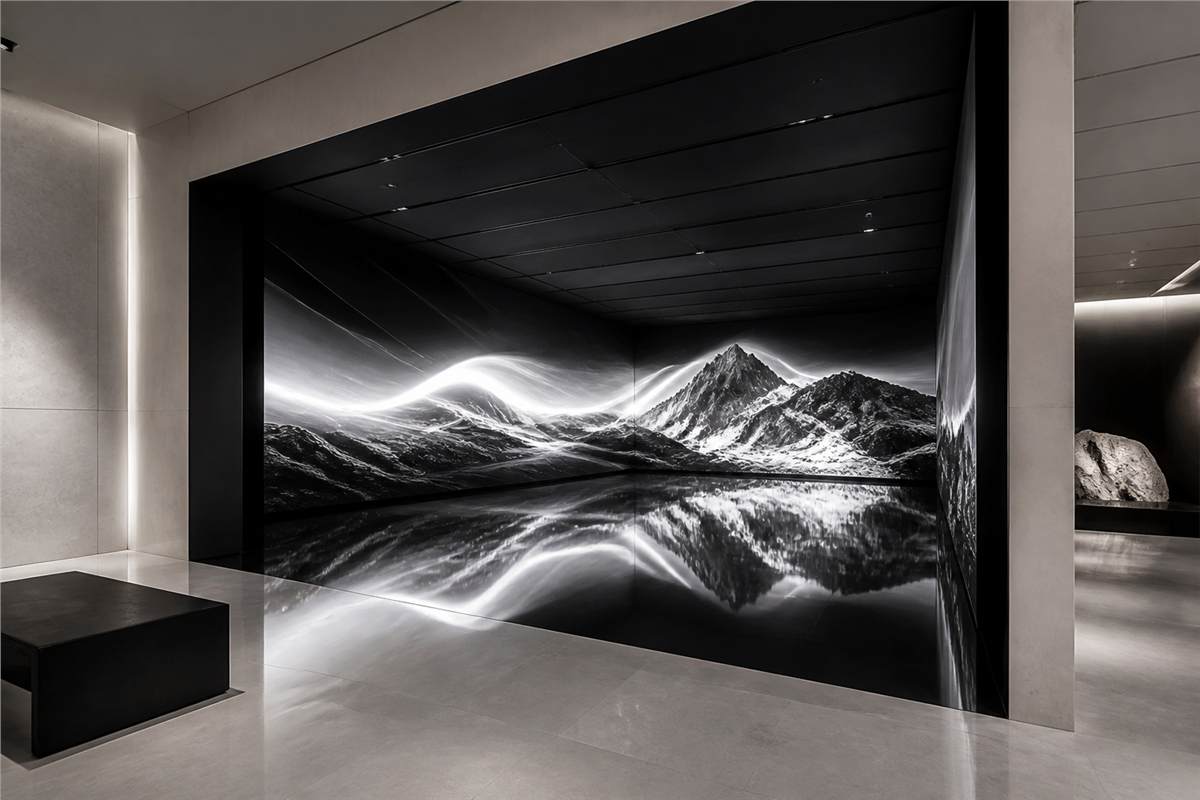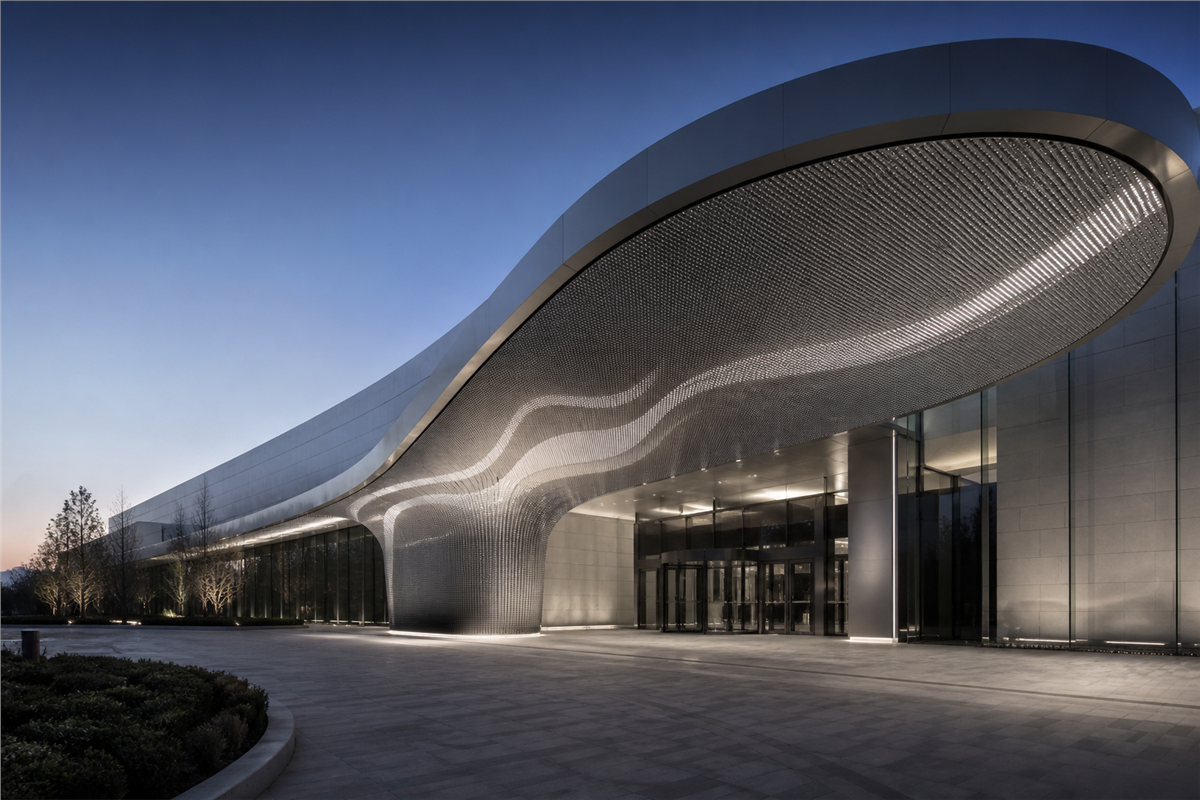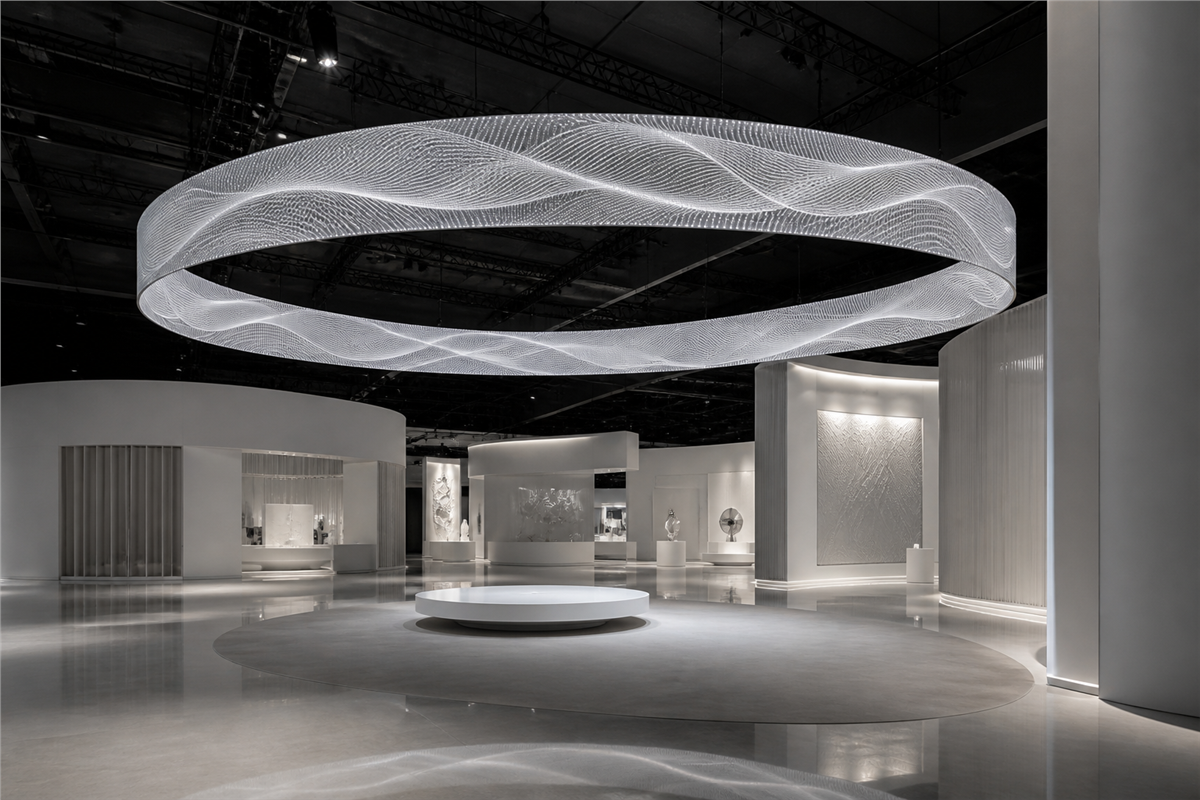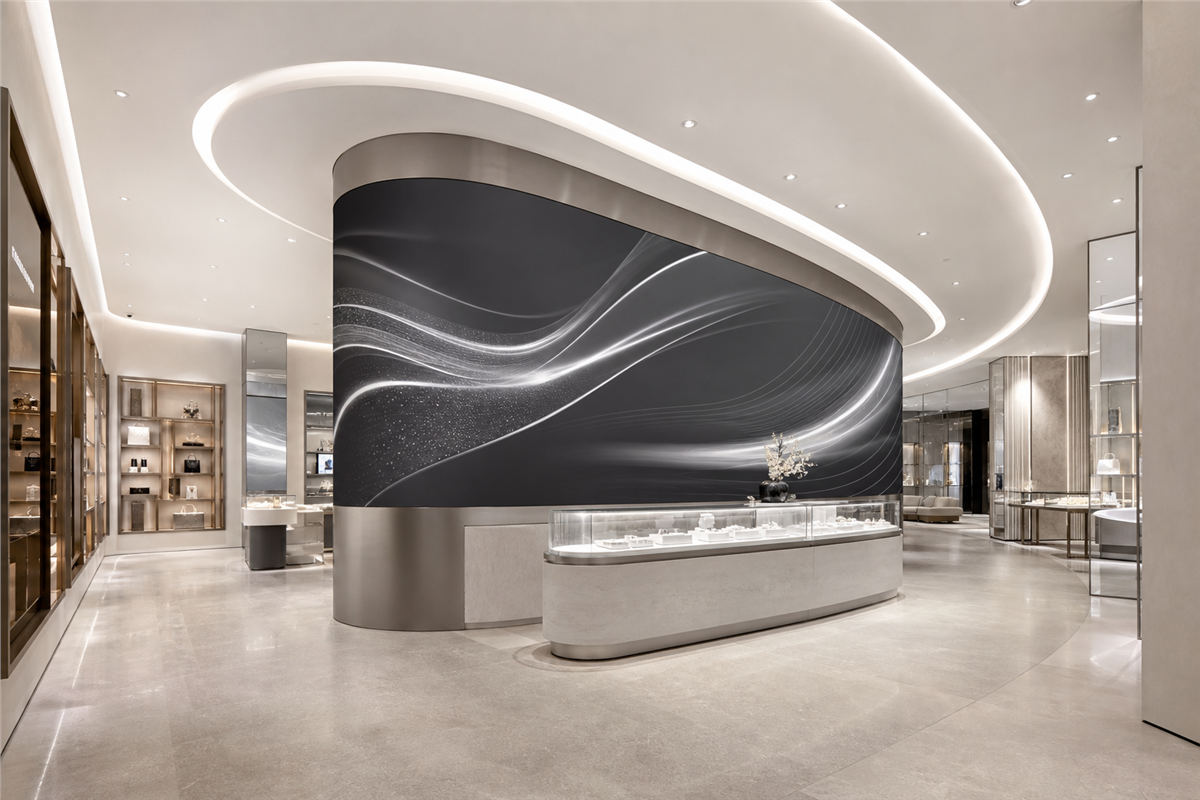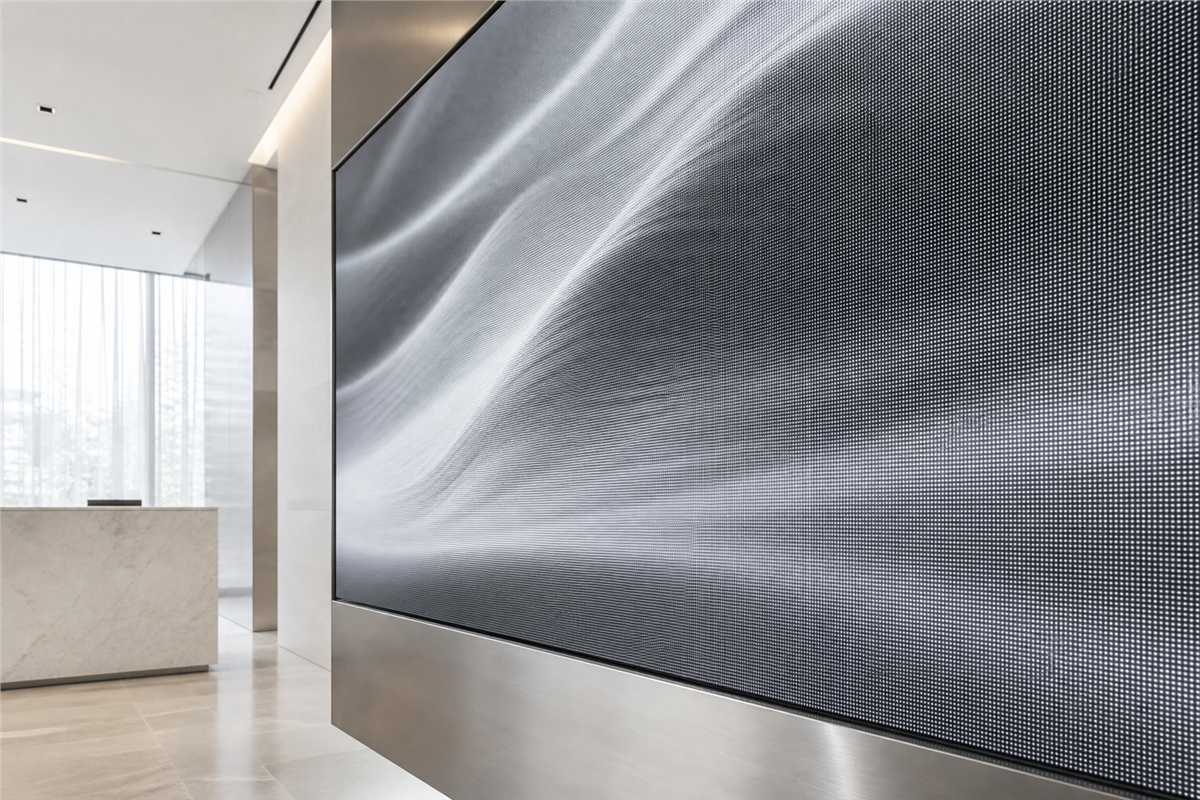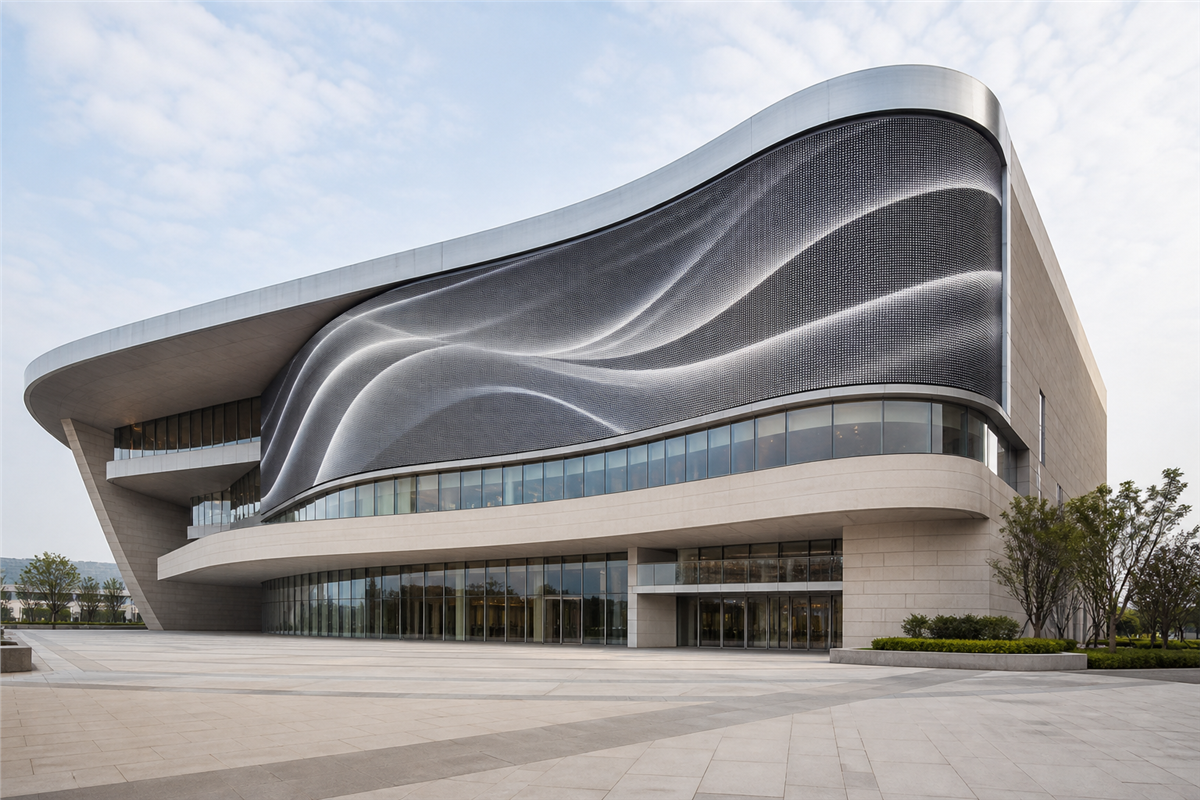
Outdoor display performance depends on more than a bright image—it depends on the whole installation environment.
An outdoor LED display has to work through changing light, weather and operating conditions while remaining clear to viewers moving past at different distances and speeds. That is why early site assessment is essential.
Start with the location. Direct sunlight, façade orientation, nearby reflective materials and the available sightlines will shape how the display is perceived. The structure also needs a considered approach to mounting, drainage, ventilation, power and service access.
Content should be planned for the conditions too. High-contrast layouts, clear hierarchy and appropriate motion help the message remain legible when audiences have only a brief moment to engage. Scheduling can also be used to match different times of day and the character of the surrounding area.
A well-specified outdoor LED system balances visibility, integration and long-term operation. Looking at these factors together from the first design stage can prevent costly changes later in the project.