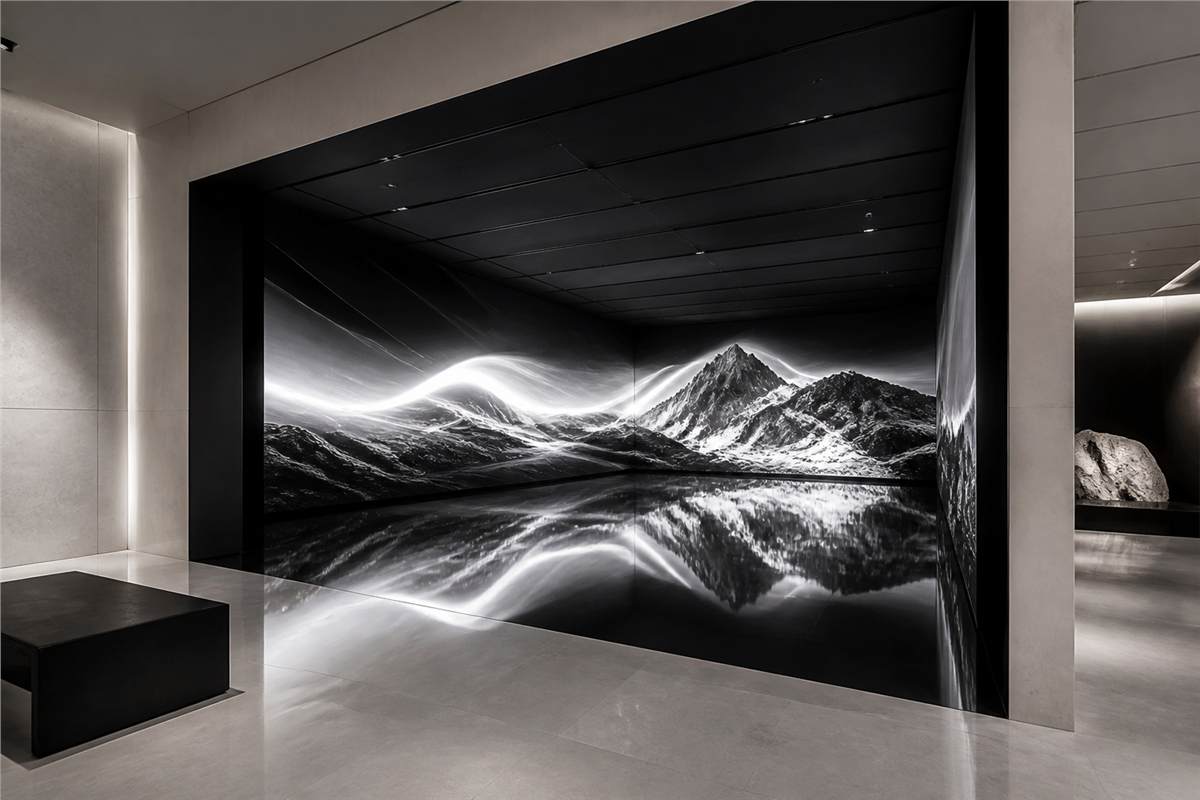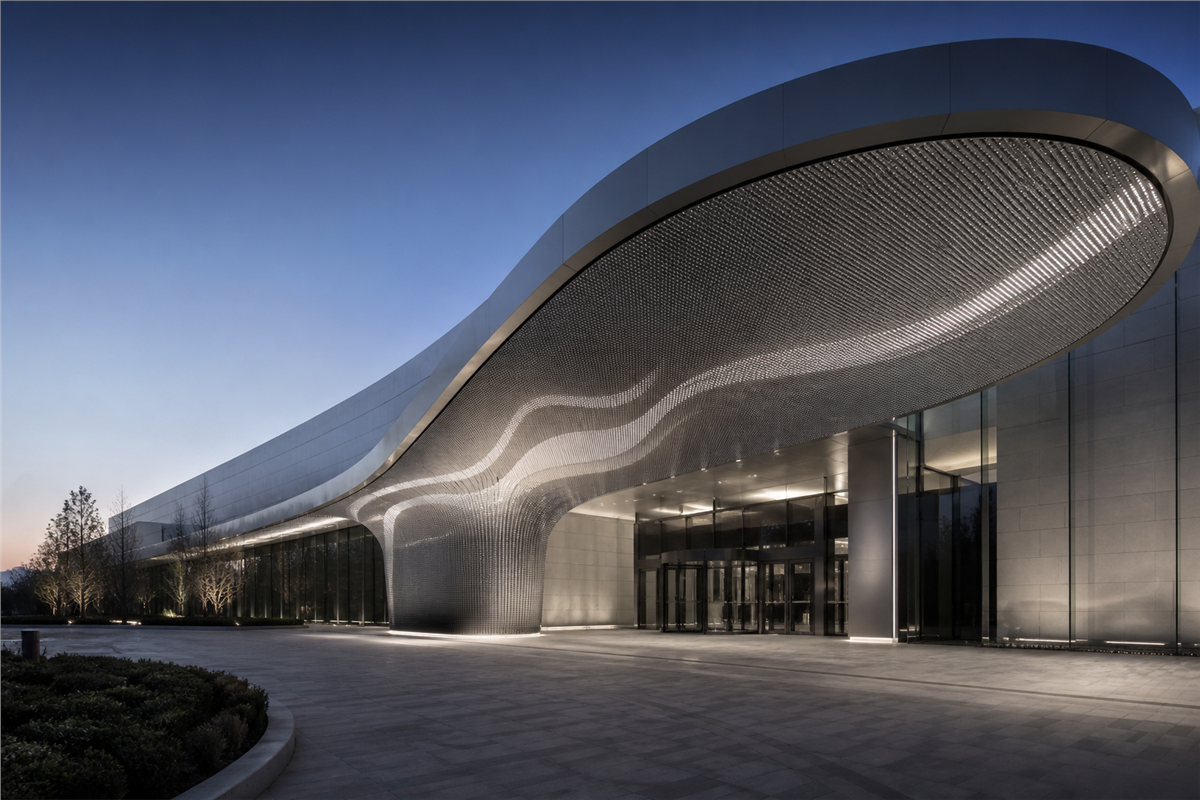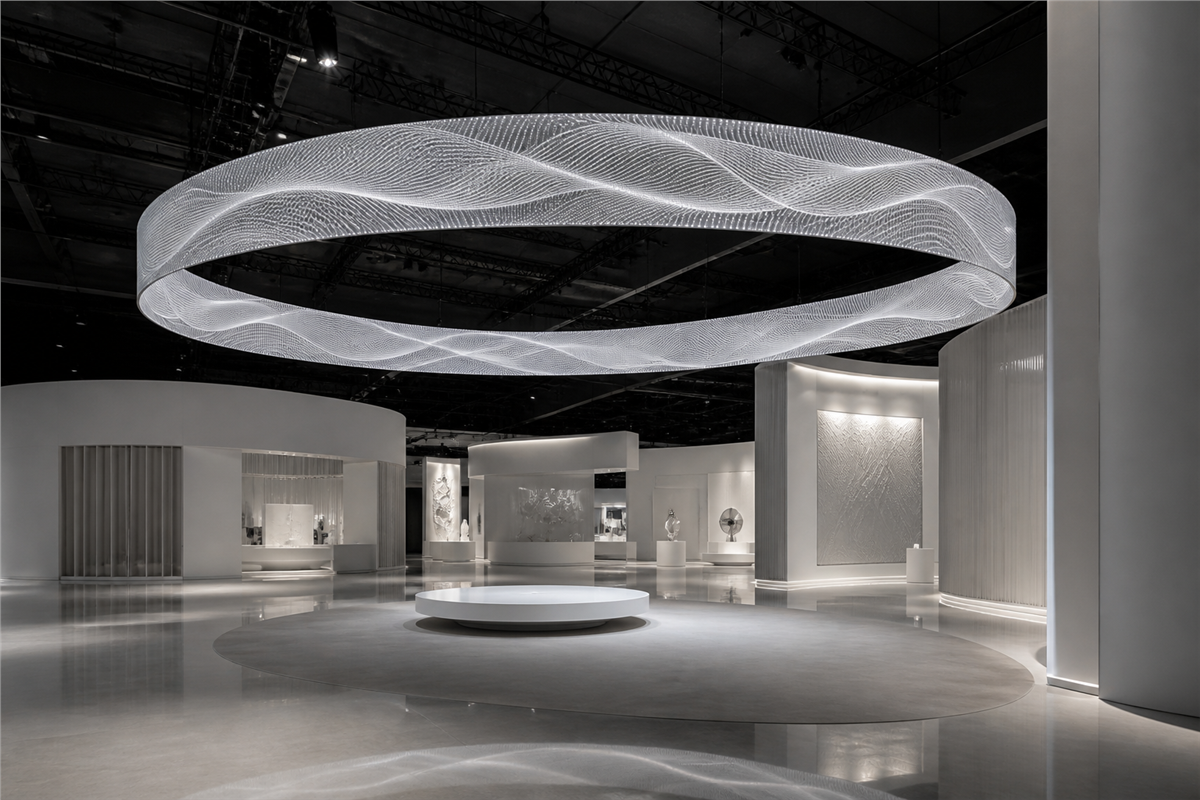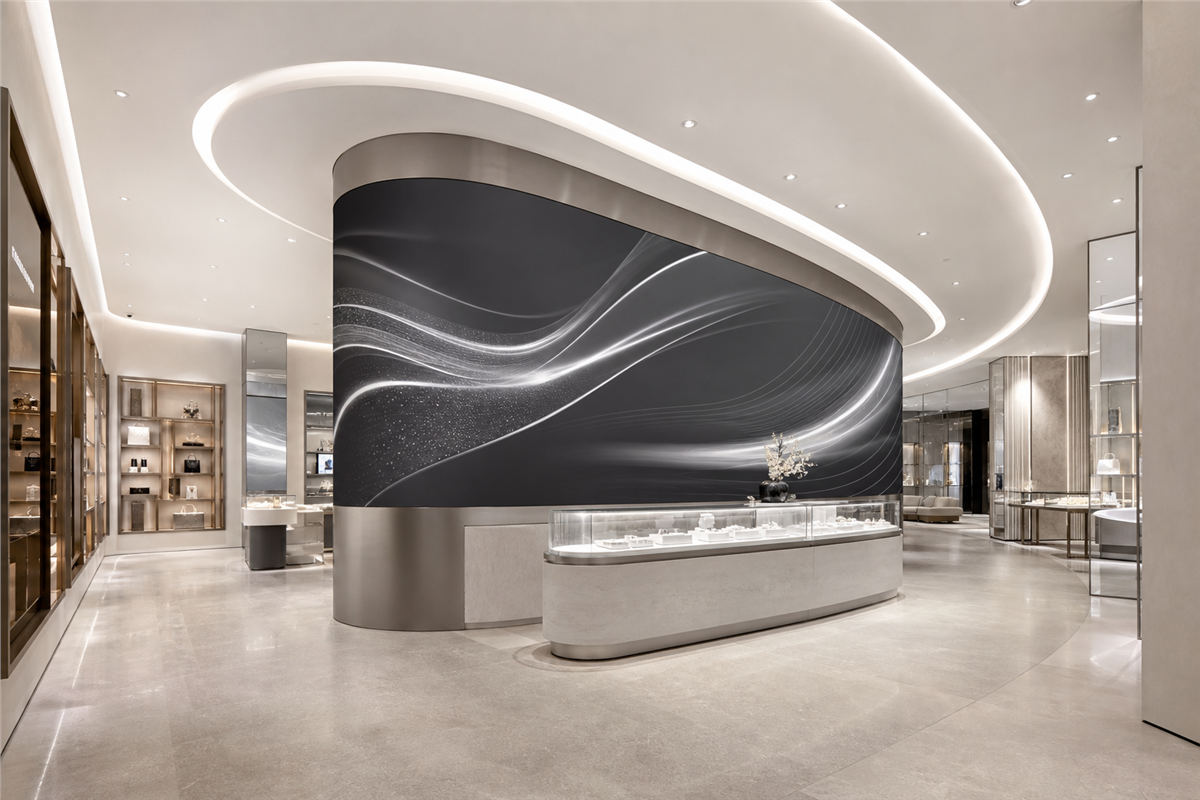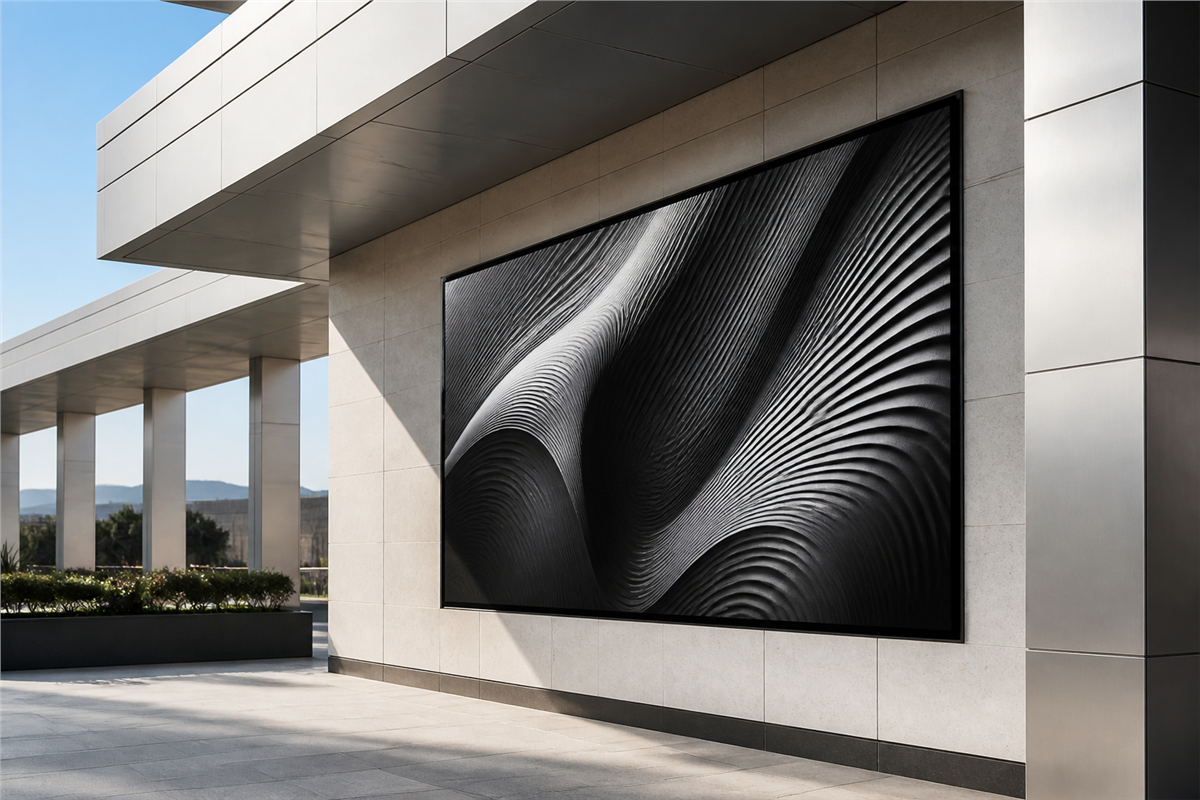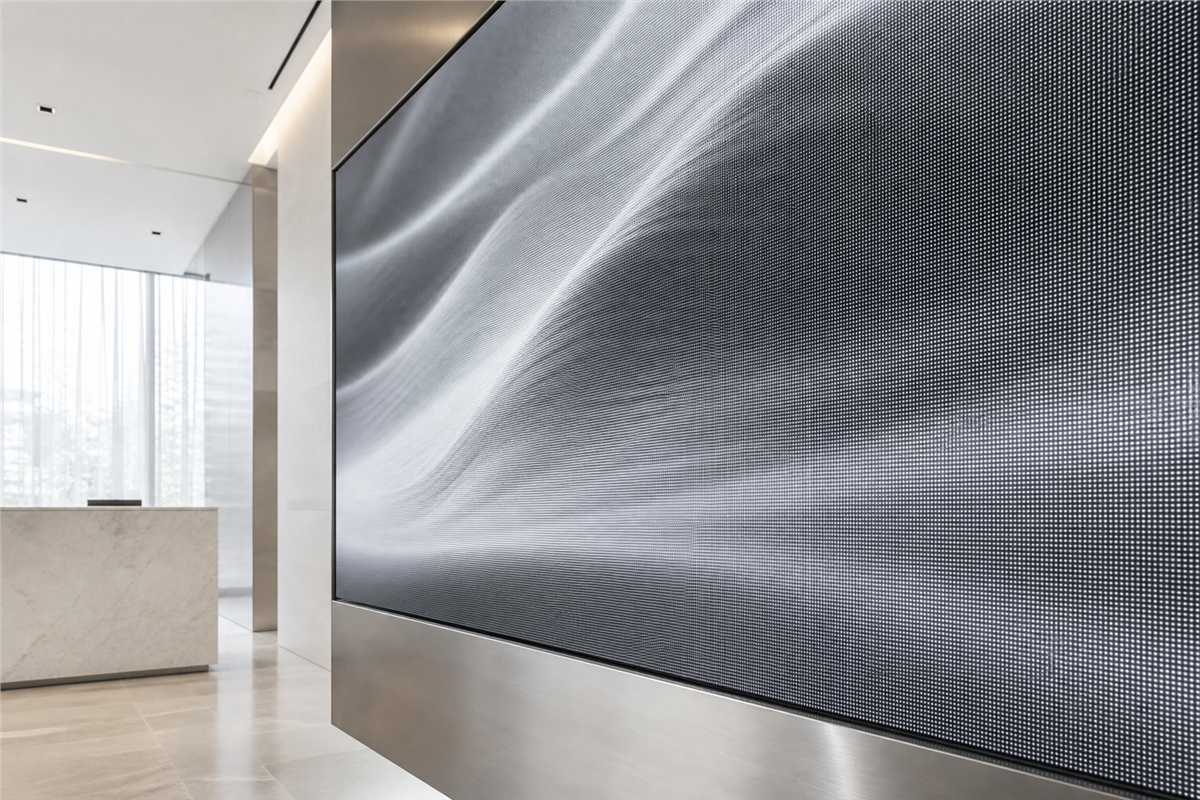
Digital surfaces are now being considered earlier in the design process, alongside materials, lighting and circulation.
For many years, LED displays were introduced near the end of a project as an added communication tool. Today, architects and brand teams are more likely to consider them at the same time as lighting, finishes and wayfinding. The change reflects a broader shift: digital content is increasingly part of how a place expresses its identity.
Early planning gives teams more freedom. The display can follow a curve, sit within a reveal, align with a structural rhythm or become a focal point without appearing as an afterthought. It also makes practical questions easier to resolve, including power, data, ventilation, access and viewing distance.
For specifiers, the key is to start with the experience rather than the product name. Who will see the display? From where? What should it communicate in daylight, at night and during live events? Those answers help determine the most appropriate form, brightness, pixel pitch and integration method.
When LED is treated as an architectural material, it can add both function and atmosphere to the finished environment.