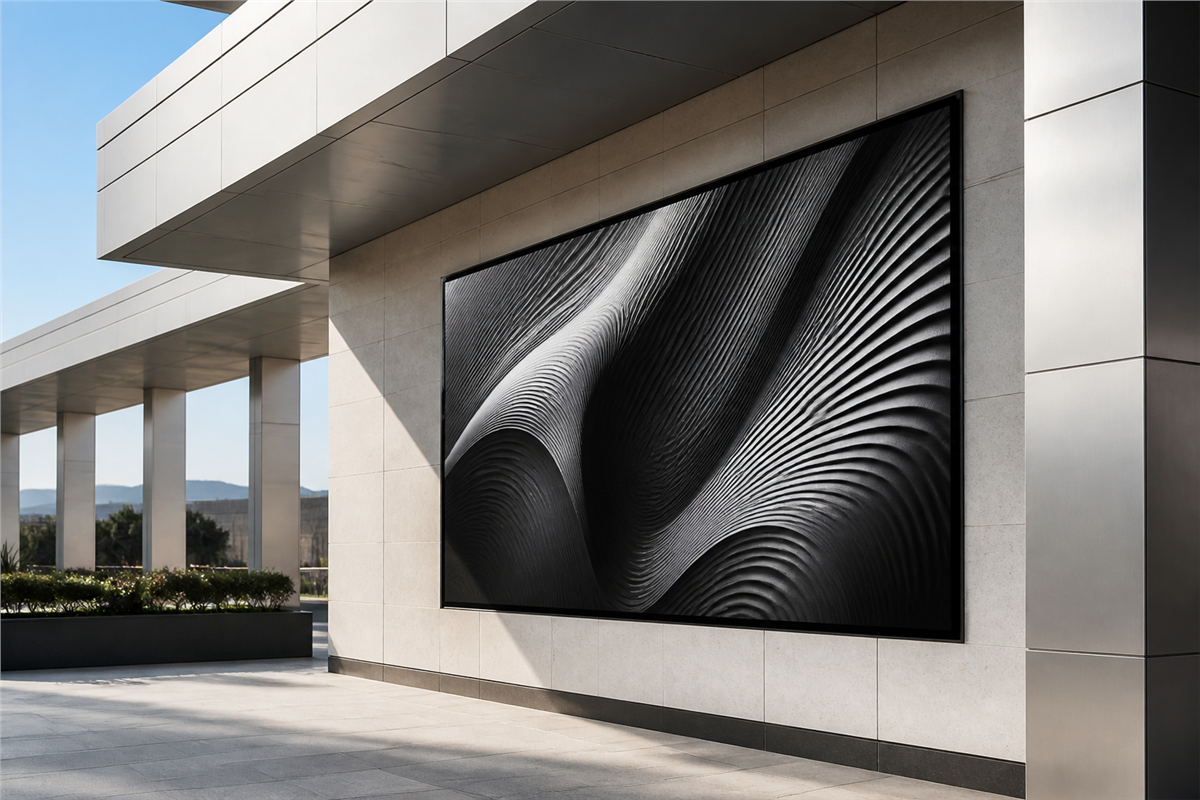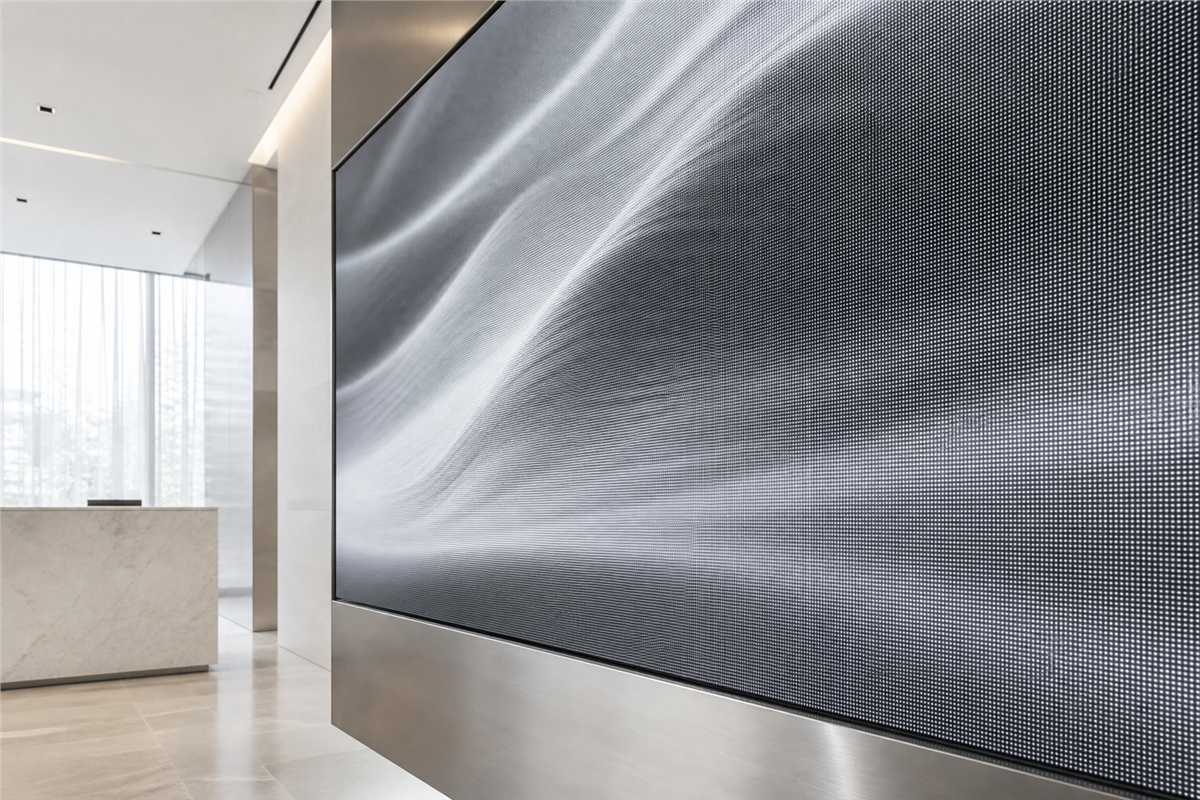
Curves, corners and unconventional surfaces need a different kind of conversation long before installation begins.
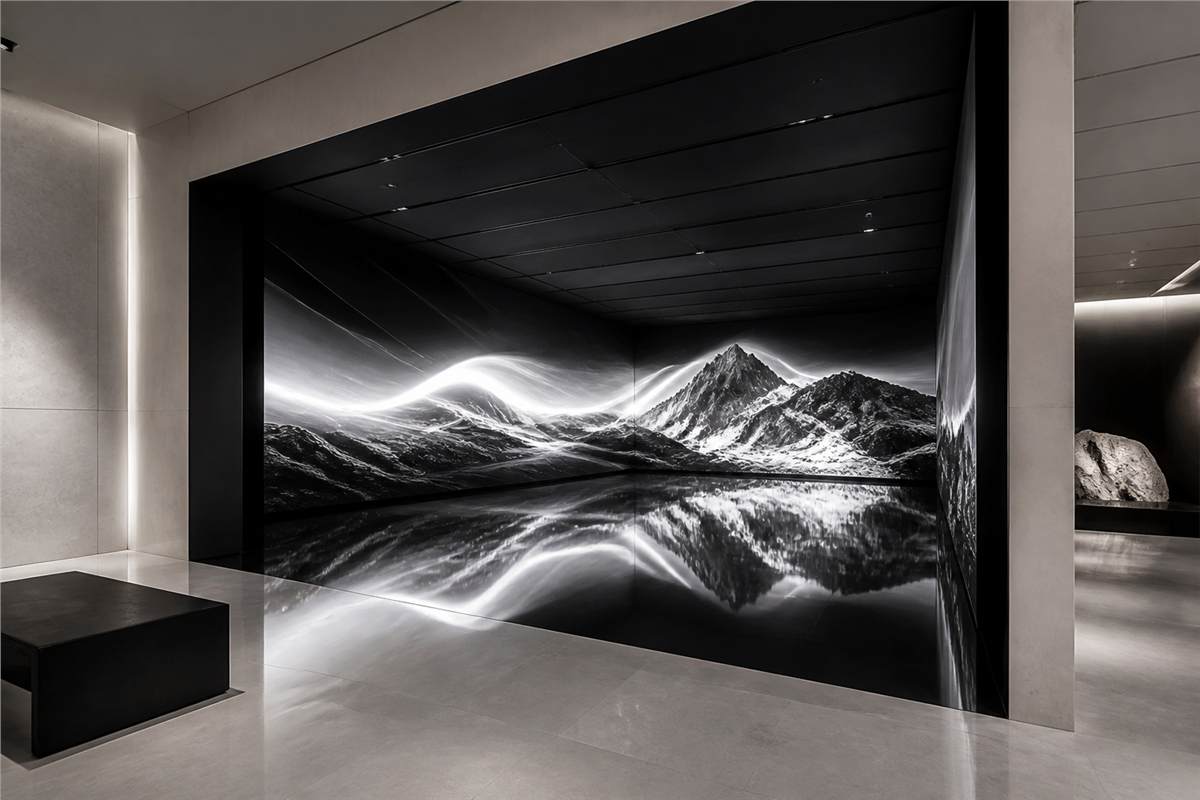
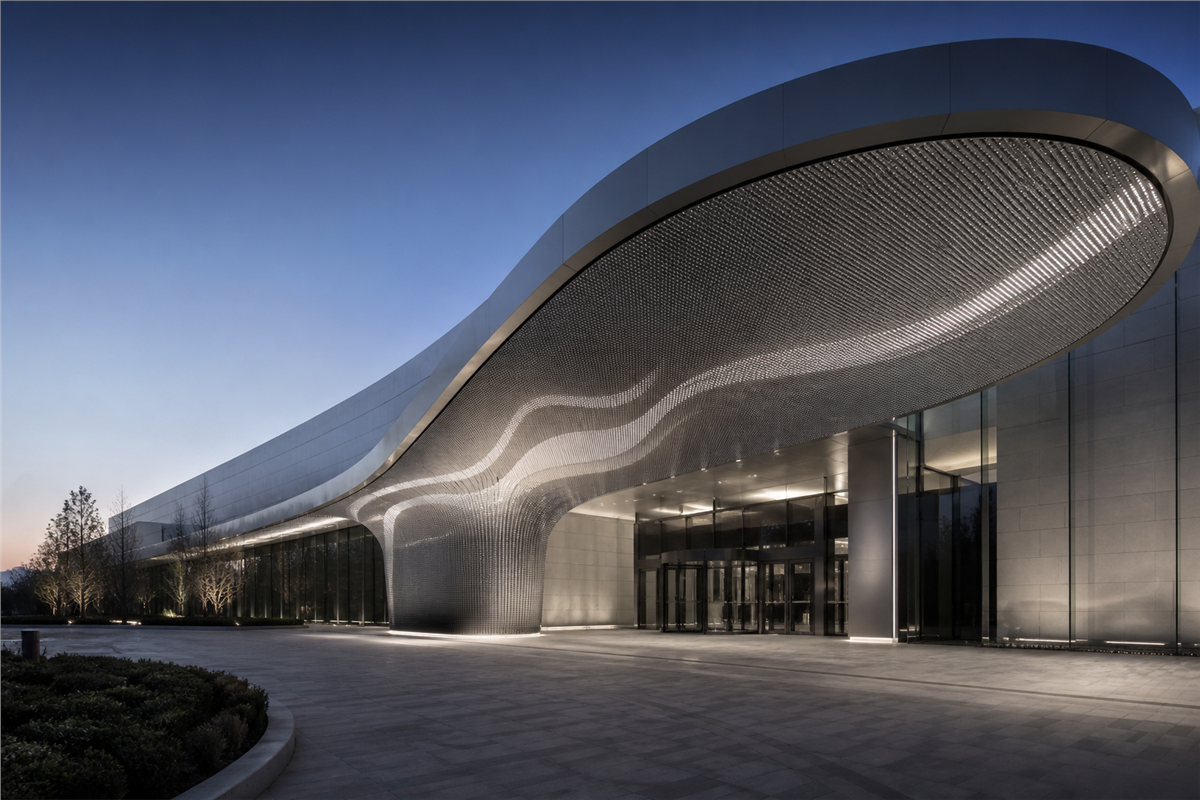
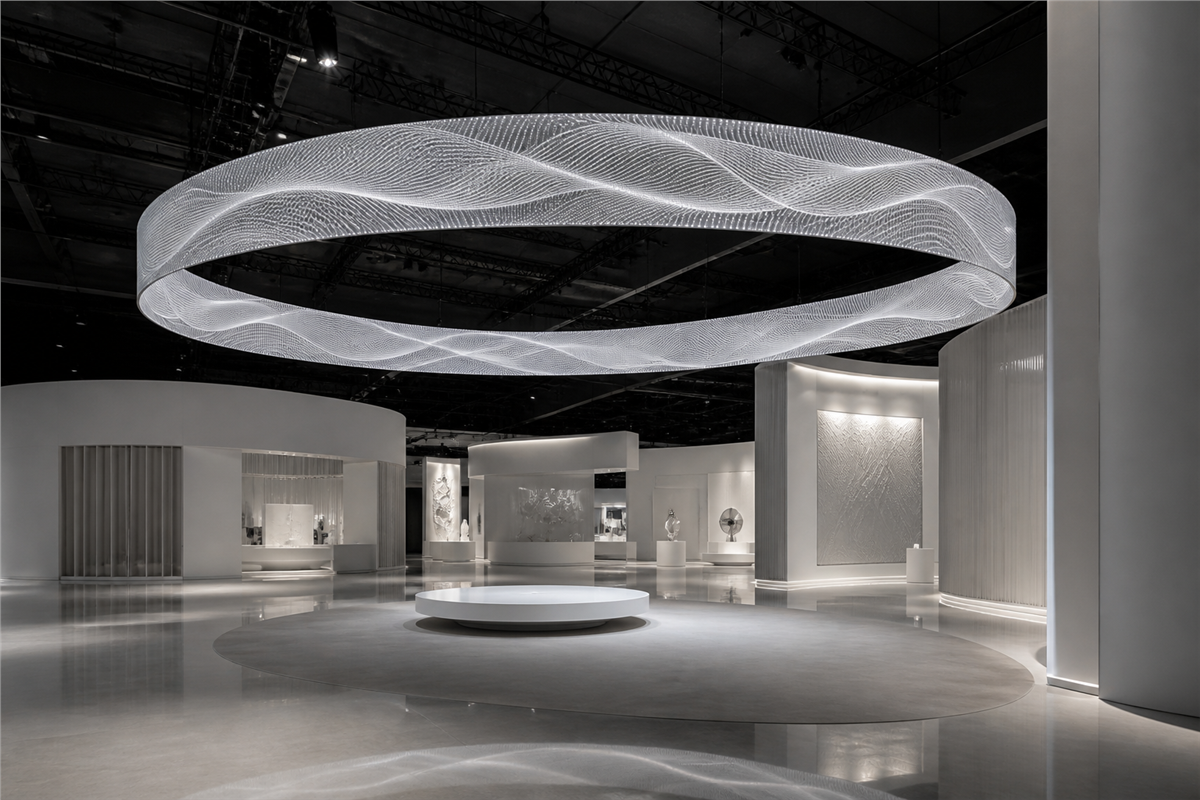
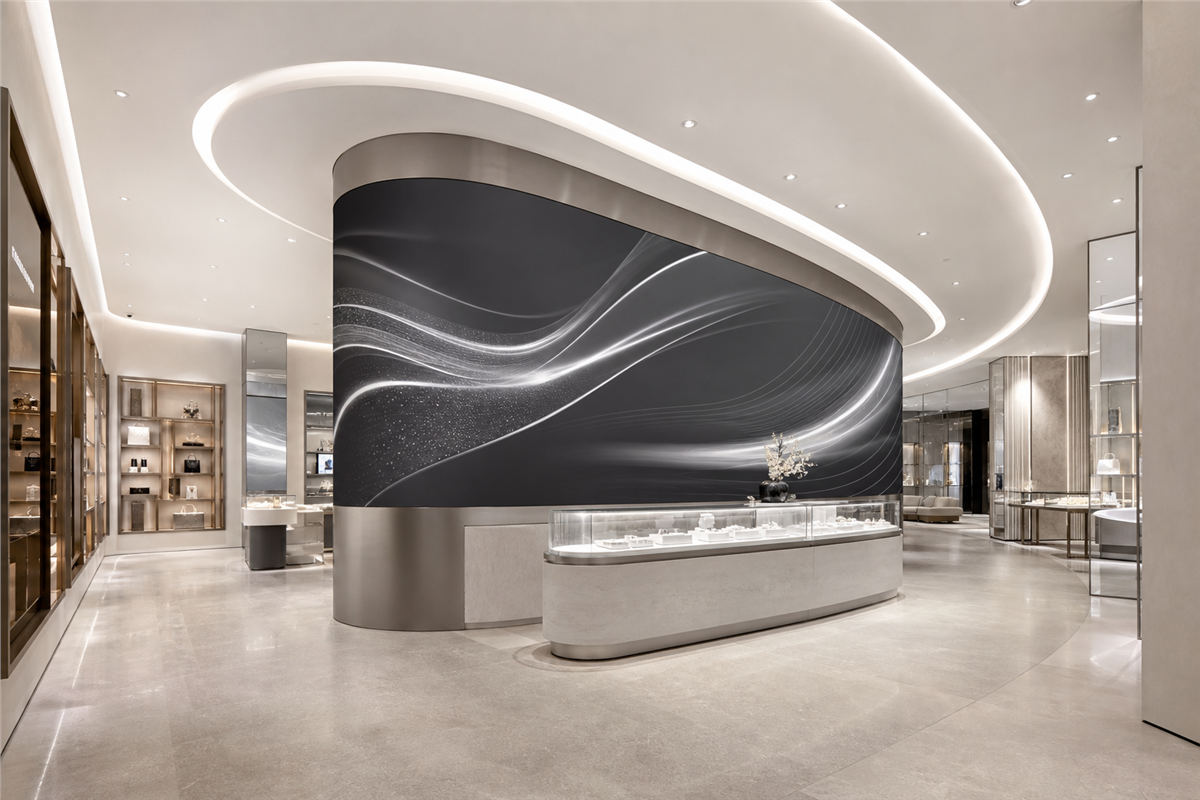
Architectural LED applications are becoming less rectangular. Designers are increasingly asking for displays that follow curves, wrap columns, sit behind transparent surfaces or become part of a larger material composition. These ideas create exciting possibilities, but they also require careful planning.
ZORQ is placing more emphasis on the early design dialogue around flexible and architectural applications. The discussion covers the surface geometry, viewing angles, fixing method, cable routes, ventilation, service strategy and the relationship between the display and the surrounding finishes.
Bringing these considerations into the first stages of a project allows the visual concept to stay ambitious while making installation decisions more deliberate. It also gives architects and project managers a more complete view of what the display system will require.
The aim is simple: support display solutions that follow the character of the architecture and remain practical throughout their working life.